PRACTICING – MATHEMATICAL FLAG
How to stimulate the desire to know and the decision to learn in students …
This activity shows a reference age and a specific game. Your job is to take the procedure as an example and adapt it to the target you work with and the discipline you teach.
The activity proposed today is suitable for primary school classes and it can encourage pupils to learn actively. In this specific case we propose an activity for the practice of mathematical calculation.
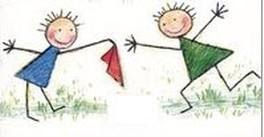
The game is called the Mathematical Flag and follows the same rules as the classic flag steal.
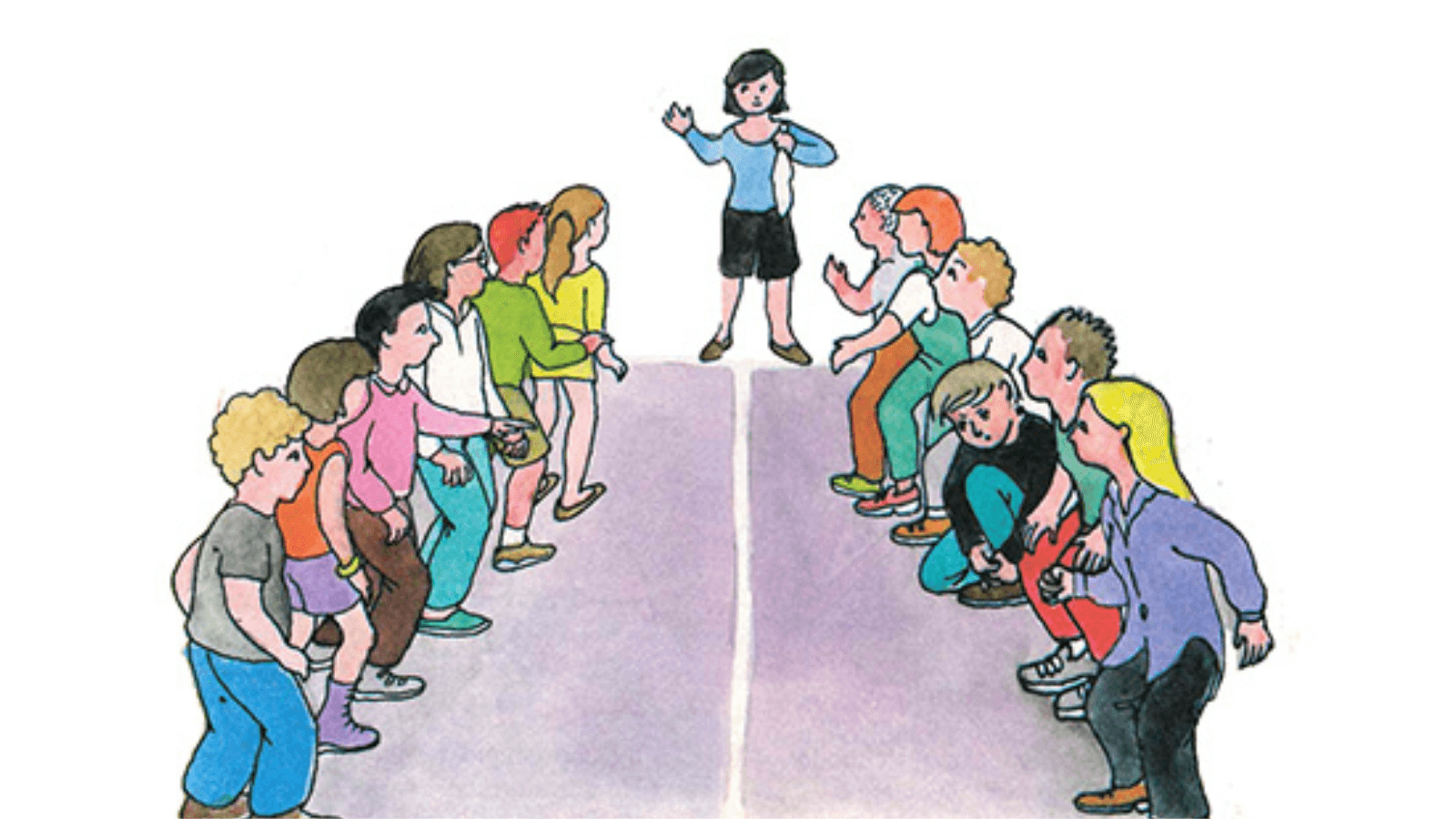
It divides the class into two teams. Each team must be in line at a distance of at least 5 meters from each other.
Halfway between the teams, the teacher keeps a handkerchief (flag) suspended, which must be stolen as quickly as possible by the children involved in the play.
How to call children to play?
- Each child is assigned one or more numbers in ascending order. Suppose Matthew is the first in the line and there are 10 pupils in total. Matthew will be number 1 -11 -21 -31-41. Andrea who is the second will be number 2 -12-22-32-42 and so on.
- The teacher will have 4 scarves of different colors. Each scarf corresponds to a + – x /
- The Teacher calls two numbers and raises a scarf.
- Teams will have to resolve the operation and the child associated with the number resulting from the operation will run to steal the flag.
- Example if the teacher calls 3 and 5 and raises the scarf paired with +, the child corresponding to the number 8 will run