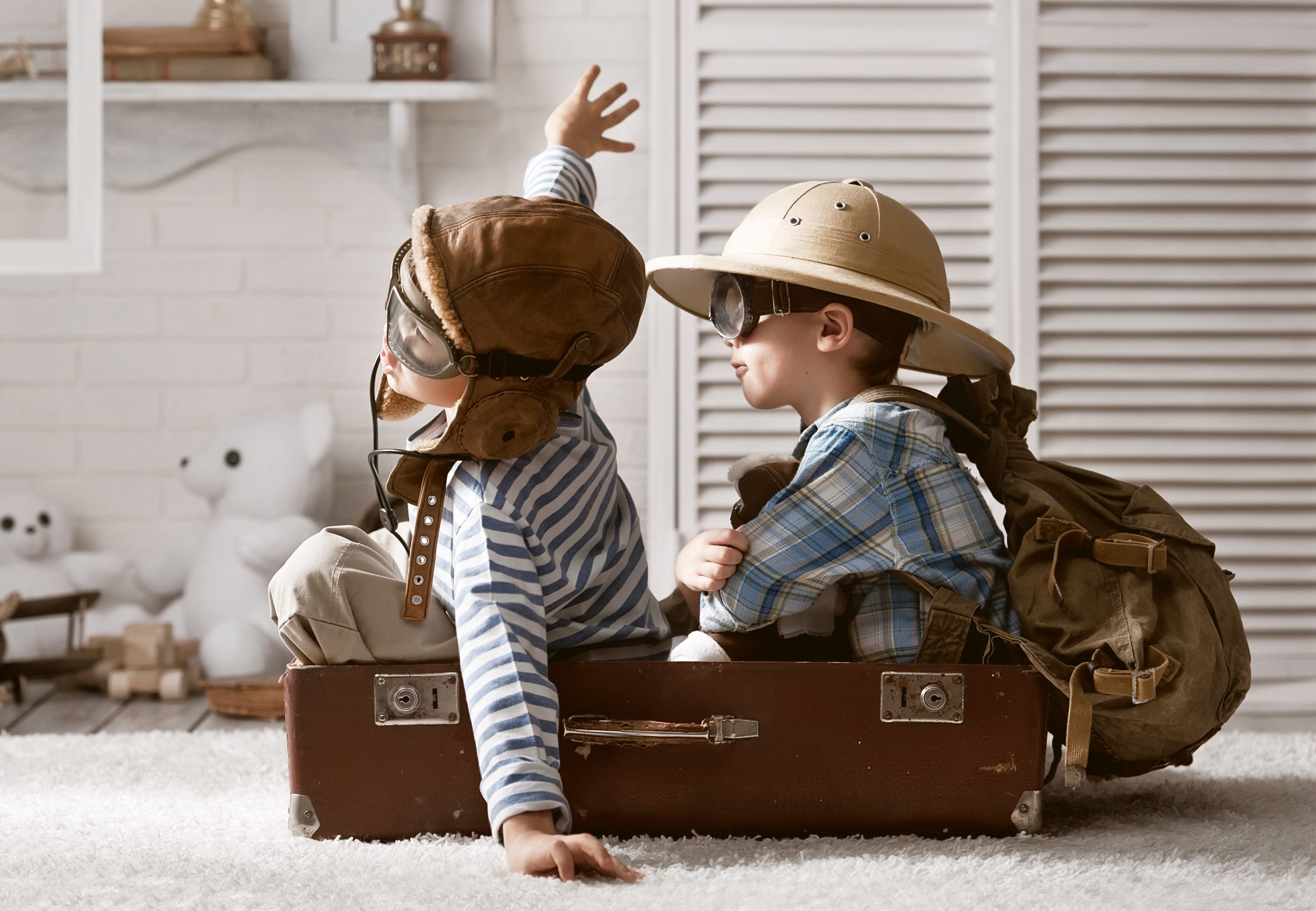
How do children engage in “Role-playing”?
Role-playing is when a child engages in pretend play (or dramatic play) and acts out a scenario.
The child has his or her perspective about the person’s or animal’s position. They will reflect behaviors, responsibilities, feelings, and concerns. When kids play a role, they are able to express their feelings and explore their views about the role in a secure environment.
Children develop expressive language abilities and social skills when they interact: sharing, working together in different roles, solving conflicts, and considering each other’s perspectives and ideas while playing with others.
While this form of play typically occurs spontaneously, it can also be encouraged. Asking the correct questions or giving props, an unknown artifact, or waste materials.
Raising a child in an environment that encourages learning will grow into this way of interacting. Introduce new dress-up items, provide empty boxes or a sheet of cloth, and see what the youngsters do with them!
Other times, you might want to facilitate role-play ideas and see how well it goes.
Sport and role-play?
It is also possible to combine the interactive part of role-playing and physical activities. Having active roles to chase their friends, find something on a treasure hunt or pursue any imaginary goals will keep the kids active and eager to explore the outdoors. This will both keep them active physically-wise, curious and creative!